
Women's Tee Shirts for Businesses, Schools and Corporate Events in Australia
Discover how to choose, customise and order women's tee shirts for Australian businesses, schools and corporate events. Expert tips inside.

Written by
Cleo Wright
Custom Apparel
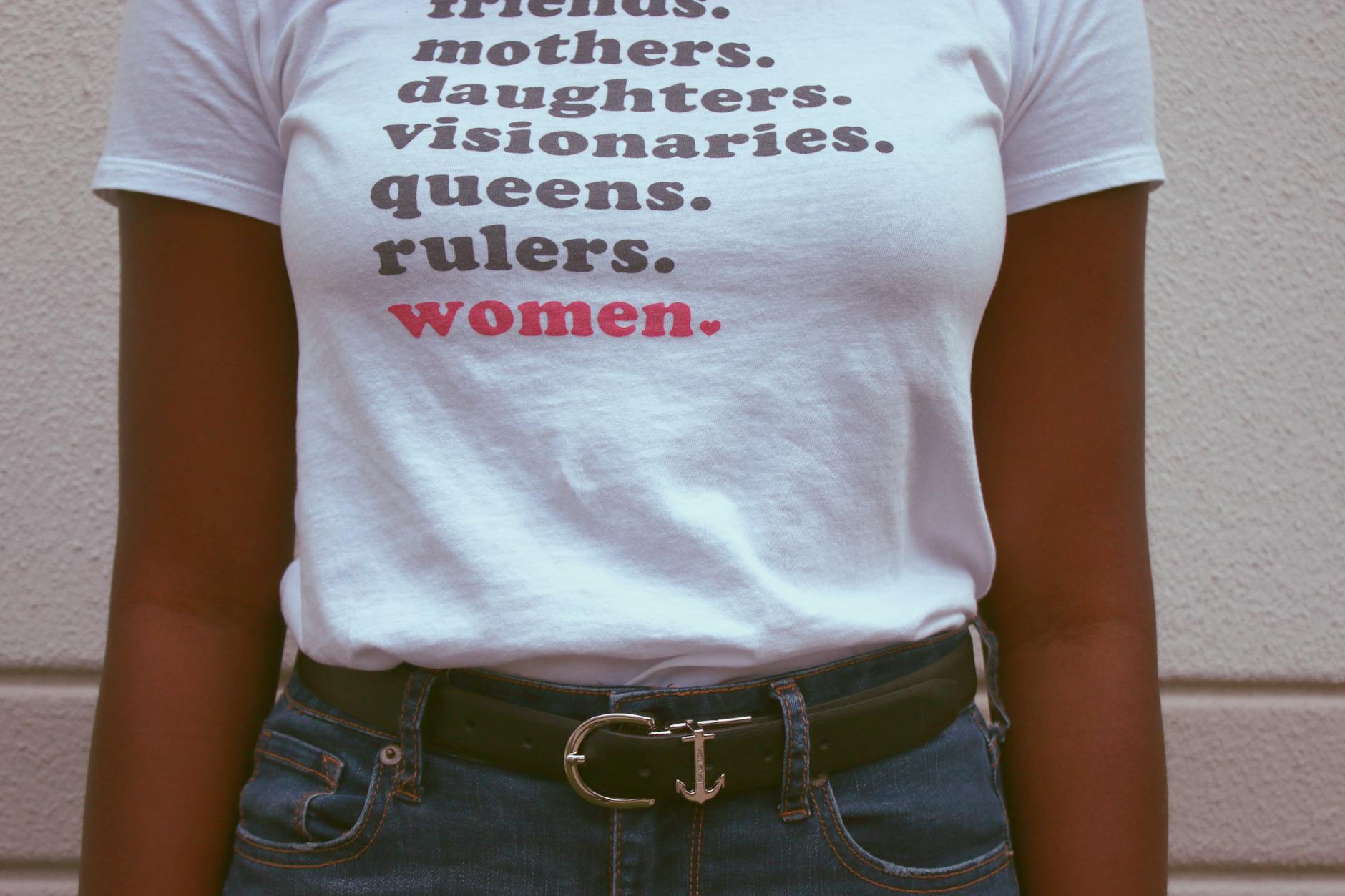
Choosing the right branded apparel for your team or event can feel overwhelming — especially when you want something that looks great, fits well, and actually gets worn beyond the occasion itself. Women’s tee shirts consistently rank among the most requested items in the promotional products space, and for good reason. They’re versatile, cost-effective, and when done right, they become walking advertisements for your brand. Whether you’re a Sydney-based corporate organising a company retreat, a Brisbane primary school running a sports day, or a Melbourne charity preparing for a fundraising walk, understanding how to source and customise women’s tees shirts is an investment worth making.
Why Women’s Tee Shirts Deserve Their Own Consideration
For years, many organisations simply ordered unisex shirts and called it a day. The problem? Standard unisex cuts aren’t designed with women’s bodies in mind — they tend to run boxy, with wider shoulders and shorter torsos that rarely flatter or feel comfortable. Staff and participants often end up not wearing them, which defeats the entire purpose of branded apparel.
Women’s-specific tee shirts are cut differently. They feature tapered waists, longer hemlines, and slightly narrower shoulder seams that create a more tailored silhouette. This isn’t just about aesthetics — it’s about ensuring that every person on your team actually wants to put the shirt on, wear it to work, at the event, or around town on the weekend.
When people wear your branded garment comfortably and willingly, your brand gets exposure well beyond the original occasion. That’s the power of getting the fit right.
Fit Options Worth Knowing
The most common women’s tee shirt fits you’ll encounter from Australian promotional suppliers include:
- Relaxed fit – A slightly looser cut that’s comfortable for active days, outdoor events, or manual work environments. Popular for schools and trade shows.
- Semi-fitted – The sweet spot for most corporate applications. Follows the body without being tight, suitable for a wide range of wearers.
- Fitted/contoured – A more tailored look, ideal for hospitality, retail, or events where a polished, uniform appearance is the goal.
Understanding your audience and the context in which the shirt will be worn should drive your fit selection. For a Perth mining services company needing branded staff tees, a relaxed or semi-fitted option will always outperform a contoured cut.
Fabric Choices for Australian Conditions
Australia’s climate varies dramatically from Darwin’s tropical humidity to Hobart’s cool temperate winters, and your fabric choice should reflect your geography and use case.
100% Cotton is a perennial favourite. It’s breathable, soft against the skin, and takes screen printing beautifully. For events, schools, and casual corporate wear, cotton remains the most popular choice. Keep in mind that heavier cotton weights (around 180–200gsm) feel more premium and hold their shape better through repeated washing.
Cotton/Polyester Blends offer the best of both worlds — cotton’s softness combined with polyester’s durability and wrinkle resistance. These blends are ideal for corporate teams in customer-facing roles where a neat appearance matters, and they tend to retain colour vibrancy through more wash cycles.
Performance Fabrics (Moisture-Wicking Polyester) are increasingly popular for sporting clubs, fun runs, and active events. These technical fabrics draw sweat away from the skin, dry quickly, and are well-suited to Queensland and Northern Territory conditions. They also respond exceptionally well to sublimation printing, allowing full-colour, all-over designs that are impossible to achieve through other decoration methods.
Sustainable Options such as organic cotton, recycled polyester (rPET), and bamboo-cotton blends are gaining serious traction among environmentally conscious organisations. If your business has sustainability commitments, sourcing certified eco-friendly garments and pairing them with other zero waste branded gift sets for corporate sustainability can reinforce your environmental values consistently.
Decoration Methods: Which One is Right for Your Women’s Tees Shirts?
The decoration method you choose has a significant impact on the final look, durability, and cost of your women’s tee shirts. Let’s break down the most common options.
Screen Printing
Screen printing is the industry standard for a reason. It produces bold, vibrant colours with excellent wash durability and is incredibly cost-effective at scale. If you’re ordering 50 or more shirts for a corporate event or school sports day, screen printing almost always offers the best value per unit.
For organisations in Western Australia, understanding your options is important — our guide to screen printing services for promotional products in Perth covers what to look for when sourcing local print services. You can also explore the broader world of t-shirt prints to understand design placement and printing techniques in detail.
Setup fees for screen printing typically range from $40–$80 per colour per screen, so designs with fewer colours are more economical for smaller runs.
Embroidery
Embroidery adds a premium, textured quality to women’s tee shirts that screen printing can’t replicate. It’s particularly well-suited to left-chest logo placement for corporate staff uniforms or hospitality teams where a refined, professional appearance is expected. Keep in mind that embroidery is less effective for highly detailed artwork or gradient designs, and it adds more weight and stiffness to lightweight fabrics.
Heat Transfer and DTG (Direct-to-Garment)
Both methods excel at reproducing photographic detail and multicolour designs without the setup costs associated with screen printing. Heat transfer and DTG are ideal for smaller runs — typically under 24 units — making them a practical solution for boutique orders or personalised shirts where each garment might carry a unique name or number.
Sublimation
For performance tees and all-over print designs, sublimation is the go-to method. The ink bonds permanently with the polyester fibres, meaning the print won’t crack, peel, or fade. This is the preferred approach for sporting clubs, fun run teams, and active event merchandise.
Ordering Tips: Getting the Best Outcome
Navigating a branded apparel order doesn’t need to be stressful. Here’s what experienced procurement managers in corporate and education sectors consistently get right:
Order a sample garment first. Before committing to a bulk order, request a sample in the actual style and colour you’re planning to order. This lets you assess fit, fabric weight, and colour accuracy before production begins. Many suppliers across Australia offer pre-production samples for a small fee.
Plan your size distribution carefully. Women’s tee shirt sizing can vary between garment brands. As a general rule for mixed corporate or school groups, ordering extra units in sizes 10–14 tends to cover the broadest range. For retail-style events, consider offering a broader size range from size 6 through to size 22 or beyond.
Allow adequate lead time. Standard production and delivery for custom women’s tee shirts typically runs 10–15 business days from artwork approval. If you’re working to a tight deadline, check whether rush order options for last-minute promotional product needs are available — many suppliers can fast-track orders for an additional fee.
Prepare your artwork properly. Vector files (AI, EPS, or high-resolution PDF) are the gold standard for garment decoration. Raster images (JPEG, PNG) are acceptable for DTG if they’re supplied at 300dpi or above. Always confirm artwork requirements with your supplier before submitting files.
Bundle your order with complementary products. Women’s tee shirts work brilliantly as part of a broader merchandise package. Consider pairing them with branded tote bags, reusable water bottles, or a reusable shopper bag for a cohesive, practical gift set. For corporate gift applications, explore wholesale corporate gifts in Australia to understand how bundling can reduce your overall cost per unit.
Popular Use Cases for Women’s Tee Shirts in Australia
To give you a clearer picture of how organisations across the country are using branded women’s tees shirts, here are some common real-world scenarios:
- A Gold Coast real estate agency orders semi-fitted cotton tees for their property management team, with embroidered logos for a polished, uniform look at open homes.
- An Adelaide primary school sources 120 relaxed-fit cotton tees in school colours for their annual athletics carnival, screen printed with a fun event graphic designed by students.
- A Canberra government department preparing for a community health expo selects sustainable organic cotton tees to align with their environmental policy commitments.
- A Melbourne tech startup gifts branded women’s and men’s tees to new employees as part of their onboarding welcome pack, alongside a branded USB flash drive and quality notebook.
For organisations with more formal uniform needs, it’s also worth exploring our full guide to t-shirts and polos to compare how tees stack up against polo shirts for different work environments. You might also consider complementary items like trucker caps or soft shell jackets to build out a complete branded wardrobe.
If your event or organisation also needs branded items for other audiences, consider sourcing matching pieces. A sports event, for example, might pair women’s tees with branded sports bags for a complete participant gift. Corporate events might add PVC clear bags or branded toiletry bags for ladies to create a thoughtful, practical pack.
Budget Considerations and MOQs
Most Australian promotional product suppliers set minimum order quantities (MOQs) for custom women’s tee shirts at around 12–25 units for screen printing or embroidery, depending on the supplier and decoration method. DTG printing often has no minimum, making it viable for very small runs.
Pricing varies by garment brand, fabric quality, print complexity, and quantity. As a rough guide:
- Budget range: $8–$15 per unit (basic cotton, one-colour print, 50+ units)
- Mid-range: $15–$28 per unit (better quality fabric, multi-colour or embroidery, 24–50 units)
- Premium range: $28–$55+ per unit (premium or sustainable garments, complex decoration, smaller quantities)
Setup fees are typically a one-off cost, so the per-unit price drops significantly as quantity increases. For organisations ordering annually, retaining your artwork files means setup fees are only charged once.
Key Takeaways
Choosing and customising women’s tee shirts for your Australian business, school, or event is a straightforward process when you approach it with the right knowledge. Here’s a summary of the most important points:
- Women’s-specific cuts matter. Investing in properly fitted women’s tee shirts means higher wear rates and better brand visibility — a semi-fitted or relaxed cut works for most corporate and school applications.
- Match your fabric to your climate and use case. Cotton suits casual and corporate wear; performance fabrics suit active events; sustainable options suit environmentally committed organisations.
- Choose your decoration method based on quantity and design complexity. Screen printing wins for bulk orders; DTG or heat transfer suits small runs; embroidery adds premium appeal; sublimation suits full-colour performance garments.
- Plan ahead with adequate lead time. Ten to fifteen business days is the typical window for custom women’s tee shirts, but rush options are available when needed.
- Bundle with complementary branded products for better value and a more cohesive brand experience — from drinkware to bags to accessories.
Women’s tee shirts are one of the most effective and enduring tools in the branded merchandise toolkit. When you get the fit, fabric, and decoration right, you create something people genuinely want to wear — and that’s when your brand truly gets to work.