
T-Shirt Prints Explained: A Complete Guide for Australian Organisations
Discover everything about t-shirt prints — decoration methods, costs, MOQs and tips for Australian businesses, schools and events.

Written by
Cleo Wright
Custom Apparel
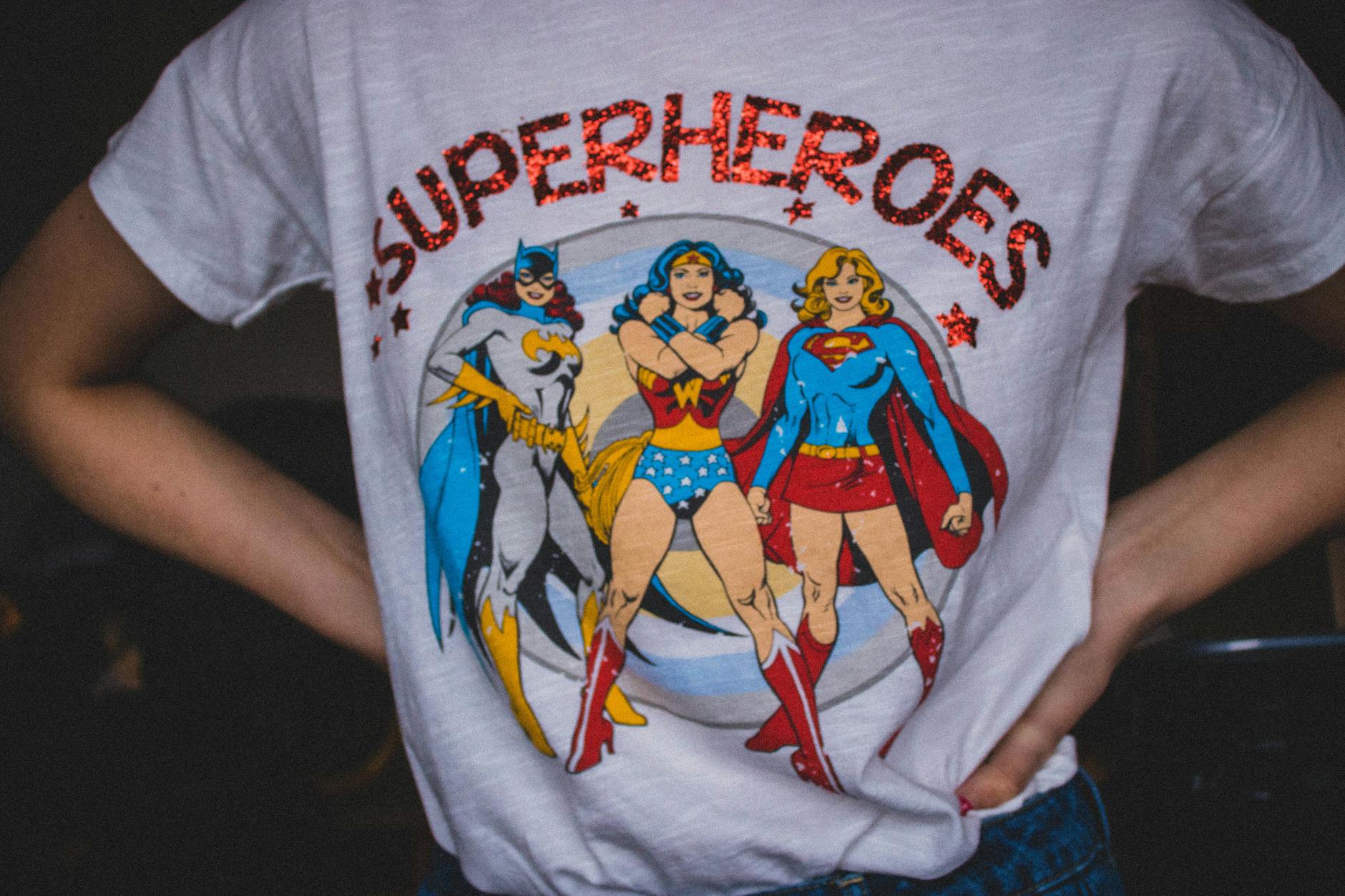
Getting your t-shirt prints right can make the difference between branded apparel that people actually wear and merchandise that ends up in the back of a drawer. Whether you’re a Sydney-based corporate team organising staff uniforms, a Melbourne primary school ordering sports carnival gear, or a Brisbane events company producing merch for a major conference, the decisions you make around print method, artwork, quantity, and timing will directly impact the quality and cost of your finished garments. This guide breaks down everything you need to know so you can approach your next custom t-shirt order with confidence.
Understanding the Most Common T-Shirt Print Methods
Before you place an order, it pays to understand what’s actually happening to your garment. There are several decoration methods used for t-shirt prints in Australia, and each one has distinct strengths, limitations, and ideal use cases.
Screen Printing
Screen printing remains the gold standard for bulk t-shirt orders across Australia. The process involves pushing ink through a mesh screen onto the fabric using a squeegee. Each colour in your design requires a separate screen, which means there’s a setup cost per colour — but once those screens are made, the per-unit price drops significantly with volume.
This method is ideal for:
- Simple to moderately complex designs with 1–6 colours
- Large orders (typically 50 units and above)
- Bold, vibrant results on cotton and cotton-blend tees
- Schools, sporting clubs, and events needing consistent colour across big runs
For a Gold Coast surf school ordering 200 custom tees in two colours, screen printing will almost always deliver the best cost-per-unit result. If you’re curious about how this method compares across different product types, our guide to screen printing on custom water bottles in Australia offers some useful context on the technique itself.
Direct-to-Garment (DTG) Printing
DTG printing uses inkjet technology to print directly onto the fabric, similar to a desktop printer but engineered for textiles. It excels at reproducing full-colour artwork, gradients, and photographic images without the colour limitations or setup fees of screen printing.
DTG is well-suited for:
- Short runs (1–24 units)
- Highly detailed or photographic designs
- Orders that require multiple different designs on the same shirt
- Custom event merchandise where attendees want personalised pieces
The trade-off? DTG is typically more expensive per unit than screen printing at volume, and results can vary depending on fabric type. It performs best on 100% cotton white or light-coloured garments.
Heat Transfer Vinyl (HTV) and Cut Vinyl
Heat transfer involves pressing a pre-cut or printed design onto a garment using heat and pressure. Cut vinyl is particularly popular for names and numbers — think netball jerseys or school sports teams — while printed heat transfer allows for full-colour designs on smaller quantities.
HTV works well for:
- Personalised names or numbers on uniforms
- Small runs of 1–20 units
- Designs with clean lines and solid fills
Sublimation Printing
Sublimation uses heat to bond dye directly into polyester fibres, producing an all-over print that won’t crack or peel. It’s the method of choice for fully customised sportswear and performance apparel.
Key considerations:
- Only works effectively on white or very light polyester fabrics
- Produces edge-to-edge, full-coverage designs
- Popular for athletics uniforms, cycling kits, and event singlets
- MOQs vary but many Australian suppliers can produce as few as 12 units
Embroidery
While technically not a print, embroidery is worth mentioning as an alternative decoration method. It’s commonly chosen for polo shirts, hats, and workwear where a premium, professional finish is desired. For a deeper understanding of how these two approaches compare across garment types, it’s worth exploring the different decoration options available before committing to a method.
How to Choose the Right Print Method for Your Organisation
Now that you understand the main techniques, the practical question is: which one suits your needs? Here’s a straightforward framework for making that decision.
Consider Your Quantity
Minimum order quantities (MOQs) vary by method:
- Screen printing: typically 24–50 units minimum
- DTG: often available from as low as 1 unit
- Sublimation: generally 12–24 units minimum
- Heat transfer: 1–20 units is common
If you’re a Canberra government department ordering 300 polo shirts for a public engagement event, screen printing or even embroidery is the obvious choice. If you’re a Perth startup needing 10 tees for a trade show booth, DTG gives you flexibility without the setup overhead.
Consider Your Artwork
Complex, photo-realistic artwork almost always points toward DTG or sublimation. Flat vector logos with limited colours are perfect for screen printing. If your design isn’t yet print-ready, factor in artwork preparation time — most reputable Australian suppliers can assist, but it may affect your turnaround.
Consider Your Fabric
Cotton tees work beautifully with screen printing and DTG. Polyester and performance fabrics are best matched with sublimation. Blended fabrics can work across multiple methods, though colour vibrancy and wash durability may vary.
Consider Your Budget
Here’s a rough ballpark (in AUD, excluding GST) to help with planning:
- Screen printing (2 colours, 100 tees): $8–$15 per unit
- DTG (full colour, 10 tees): $20–$40 per unit
- Sublimation (all-over, 50 tees): $18–$35 per unit
- Heat transfer (1 colour, 20 tees): $10–$20 per unit
These figures vary based on garment quality, supplier, and complexity — always request a formal quote.
Artwork Preparation: Getting It Right the First Time
Poor artwork preparation is one of the most common causes of delays and disappointment in custom apparel orders. Getting this right upfront will save you time and money.
File Formats
- Vector files (.AI, .EPS, .PDF) are ideal for screen printing and cut vinyl — they scale to any size without quality loss
- High-resolution raster files (.PNG, .TIFF at 300dpi minimum) work for DTG and heat transfer
- Avoid submitting logos exported from Word documents or websites — these are almost always too low resolution
Colours
PMS (Pantone Matching System) colours are the industry standard for ensuring colour accuracy in screen printing. If your brand has specific PMS codes, provide them with your artwork. Without PMS guidance, there can be variation between what you see on screen and what appears on your finished tee.
Placement and Size
Standard print placements include left chest, full front, full back, and sleeve. Left chest prints are typically 8–10cm wide. Full front prints are usually 25–30cm wide. Confirm placement and sizing with your supplier before approving the proof.
Turnaround Times and Planning Your Order
Turnaround times in Australia generally range from 7 to 15 business days for standard orders, with rush production available (usually at a premium) for urgent requirements.
For events-based orders — say, a Sydney conference needing 500 branded tees — allow at least four weeks from artwork approval to delivery to give yourself a comfortable buffer. Suppliers in major cities like Melbourne and Brisbane often have faster turnaround options than those servicing regional areas. If you’re based in Tasmania, for example, factor in additional freight time and check out our guide to promotional product suppliers in Tasmania for locally relevant sourcing advice.
Planning a new financial year merch refresh? Our guide to new year custom products in Australia covers how to get ahead of bulk orders and avoid the rush.
Pairing T-Shirts With Your Broader Merchandise Strategy
Custom t-shirts rarely exist in isolation — they’re most effective when they’re part of a cohesive branded merchandise programme. A well-rounded approach might include branded tees alongside other items like:
- Custom lanyards and promotional lanyards for event identification
- Reusable shopper bags or purse tote bags as conference giveaways
- Personalised water bottles to complement active and sports merchandise
- USB flash drives for tech-forward corporate packs
- Wheat straw branded pens for schools focused on sustainability
- Eco-friendly gift sets for organisations with sustainability commitments
If you’re putting together a full orientation kit for a university or TAFE, our guide to promotional giveaways for orientation weeks in Australia is a great starting point. For Melbourne-based organisations looking to understand the full landscape of branded products available, our overview of promotional products in Melbourne covers the range comprehensively.
Schools in particular can benefit from bundling sports day t-shirts with items like branded skipping ropes for fitness programs and personalised ribbons for community recognition to create a complete events package.
Common Mistakes to Avoid With T-Shirt Print Orders
Even experienced buyers occasionally fall into these traps:
- Ordering without a physical sample — always request a sample or pre-production proof for large orders
- Underestimating freight costs — especially for orders being shipped to regional WA, NT, or Tasmania
- Leaving artwork to the last minute — rushed artwork often leads to errors and reprints
- Choosing the wrong fabric weight — a 160gsm tee works for casual events; workwear or outdoor use often warrants 180–200gsm
- Ignoring wash-care instructions — premium t-shirt prints need proper care to maintain their appearance through repeated laundering
Conclusion: Key Takeaways for Smarter T-Shirt Print Orders
Custom t-shirt prints are one of the most versatile and cost-effective forms of branded merchandise available to Australian organisations. Whether you’re outfitting a school sports carnival, branding a corporate team, or producing event merchandise, choosing the right method and preparing properly makes all the difference. Here’s what to remember:
- Match your print method to your quantity, artwork, and fabric — there’s no one-size-fits-all solution
- Prepare print-ready artwork in the correct format to avoid delays and quality issues
- Request formal quotes with GST included and clarify whether setup fees are per colour or per job
- Allow four or more weeks for large event orders to account for production and freight time
- Bundle your t-shirt prints within a broader merchandise strategy for maximum brand impact and value
Armed with this knowledge, you’re well-positioned to brief a supplier clearly, manage expectations internally, and receive finished garments you’ll be proud to hand out.