
Delivery Bags for Food: How to Choose the Right Branded Option for Your Business
Discover how to choose the best delivery bags for food, from insulated options to branded designs — a practical guide for Australian businesses.

Written by
Lucy Hassan
Bags & Totes
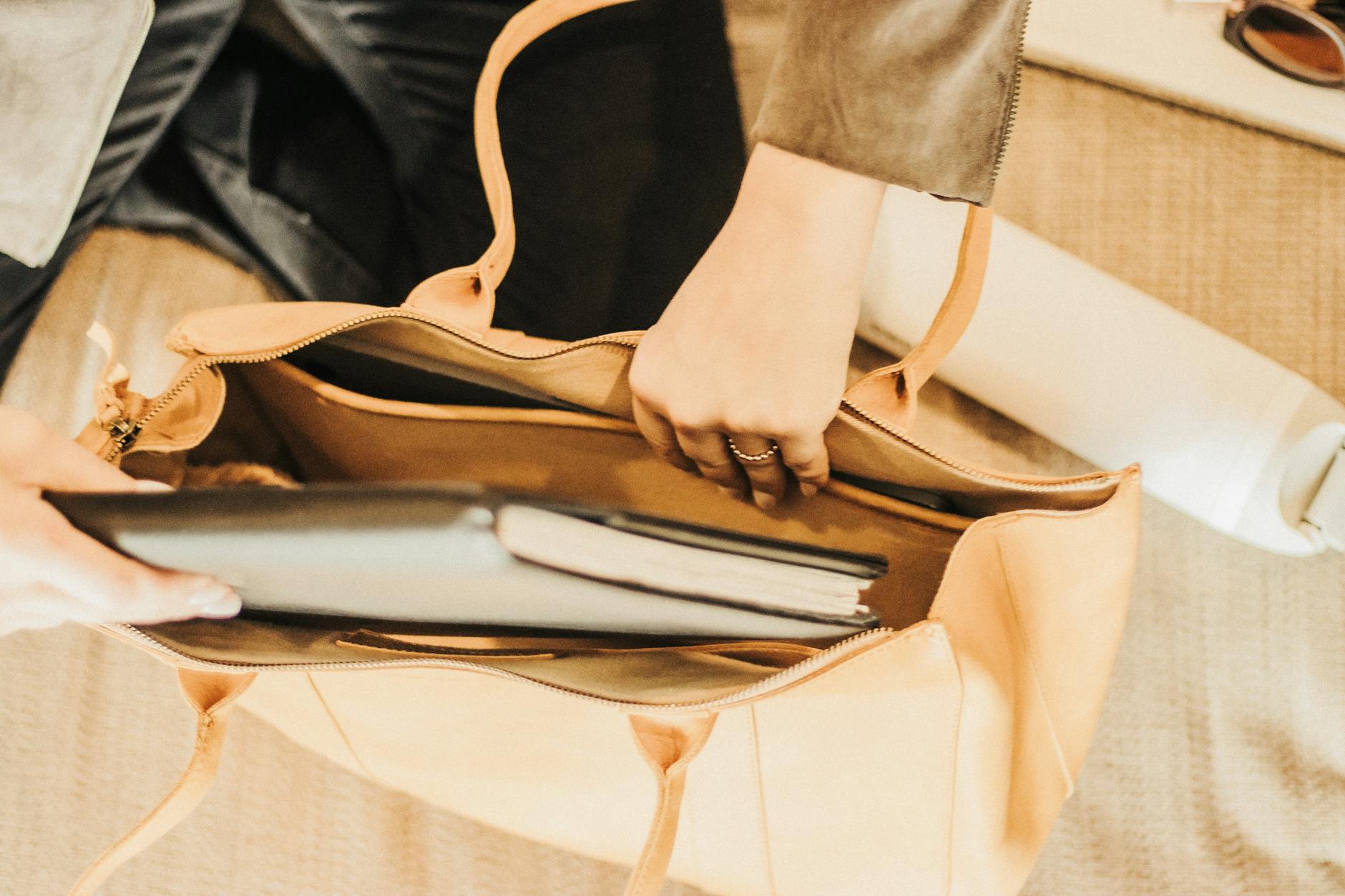
Choosing the right delivery bags for food can make or break your customer’s experience before they even open the packaging. Whether you’re running a café in Melbourne’s inner north, a catering operation in Brisbane, or a corporate meal delivery service in Sydney, the bag your food arrives in sends a clear message about your brand. Too often, businesses focus entirely on what’s inside — and overlook the practical and marketing power of what surrounds it. From keeping temperatures stable to turning every delivery into a brand touchpoint, a well-chosen, well-branded food delivery bag does far more heavy lifting than most people realise.
Why Delivery Bags for Food Matter More Than You Think
At first glance, a food delivery bag might seem like a purely functional item. It keeps things warm, protects the packaging, and makes it easier to carry multiple orders. But when you layer in custom branding, you’re suddenly creating a mobile advertising opportunity that reaches every street, office foyer, and apartment block your rider passes through.
Think about it: a delivery driver completing ten runs per shift in a Perth suburb is carrying your logo past dozens of potential customers every single day. In dense urban environments like Sydney’s CBD or Melbourne’s Southbank, that kind of passive brand exposure adds up quickly — and it costs you nothing beyond your initial order.
Beyond visibility, the right delivery bag communicates professionalism. A structured, well-branded insulated bag suggests that the business behind it cares about quality. A flimsy, generic bag suggests the opposite. For food businesses competing in an increasingly crowded market, that perception matters.
Key Features to Look for in Branded Food Delivery Bags
Not all delivery bags for food are created equal, and selecting the wrong one can lead to practical problems as well as wasted branding budget. Here are the features worth evaluating carefully before committing to a bulk order.
Insulation Performance
For hot food, you need a bag with thick foil-lined or PEVA insulation that can hold temperature for at least 30–60 minutes under typical conditions. For cold food or meal kit deliveries, look for bags with enhanced cold retention — some include removable inserts or gel pack pockets. Our guide to insulated lunch and cooler bags covers the insulation materials commonly used in Australian promotional products, which translates well to commercial delivery applications.
Size and Capacity
Delivery bags need to accommodate your standard order sizes without squashing packaging or leaving excessive empty space that allows items to shift. Common sizes range from small (suited to single meals or coffee orders) through to large commercial bags that can hold 10–15 standard containers. Consider ordering across two or three sizes if your menu spans solo orders and group catering jobs.
Structure and Durability
A bag that collapses every time it’s not fully loaded is frustrating for drivers and can damage food presentation. Look for bags with reinforced bases, sturdy carry handles, and robust zippers or velcro closures. Heavy-duty 600D polyester or Oxford fabric outer shells are standard for commercial-grade bags, and they also provide an excellent surface for large-format branding.
Ease of Cleaning
Food delivery is a messy business. Spills happen. Choose bags with interior linings that can be wiped clean easily, and if possible, removable inner sections that can be washed separately. This is especially important for businesses operating in higher-volume environments like Queensland tourism precincts or busy city food courts.
Branding Options for Food Delivery Bags
Once you’ve settled on the right functional specifications, the next step is determining how to apply your branding. The decoration method you choose will affect the final look, the durability of the print, and your overall cost per unit.
Screen Printing
Screen printing delivers bold, vibrant results on flat fabric surfaces and works well on the exterior panels of delivery bags. It’s cost-effective at higher volumes (typically 50+ units) and produces sharp results with solid-colour logos and text. If your branding includes a complex gradient or photographic element, this method isn’t the right fit.
Heat Transfer and Sublimation
Heat transfer works well for more detailed artwork or full-colour logos on delivery bags. Sublimation, which bonds ink directly into the fabric, is excellent for all-over prints but requires the bag to be made from polyester. For food businesses with highly visual branding — think bold colour palettes and graphic-led design — sublimation can produce genuinely eye-catching results.
Embroidery
Embroidery gives delivery bags a premium, structured look that holds up extremely well over time. It’s a particularly good option if your bags will be used repeatedly by your own team rather than given away, as embroidery doesn’t peel or fade with regular washing. The trade-off is that it suits simpler logos better than complex full-colour artwork.
If you’re unsure which decoration method suits your logo and bag material, it’s worth chatting with your promotional products supplier before placing your order. Getting a physical sample made up first is always a smart move, especially for larger orders.
Delivery Bags for Food Across Different Business Types
Different organisations use branded food delivery bags in quite different ways. Understanding how your specific context shapes your requirements helps you make a more informed decision.
Restaurants and Cafés
For restaurants and cafés, delivery bags are a core operational tool. Durability and thermal performance are paramount, but branding still matters — your bag might be photographed by customers sharing their delivery experience on social media. Choose a bag with a large, clear branding panel and consistent colour matching to your existing brand palette. If you’re also investing in branded promotional items across the rest of your customer experience, consider pairing your delivery bag with other items like personalised bag tags to reinforce your brand throughout the delivery journey.
Corporate Catering and Meal Delivery Services
Businesses delivering corporate lunches, office catering, or executive meal packages have an especially strong incentive to invest in professional-grade branded delivery bags. The recipients are often decision-makers within organisations — exactly the audience most likely to notice and appreciate quality. A well-presented delivery bag reinforces the premium positioning of your service and can genuinely support repeat business and referrals.
For corporate food operations, it’s also worth considering complementary branded items like custom plastic cups or personalised key rings that can be included with deliveries as unexpected value-adds or loyalty gifts.
Meal Kit and Subscription Box Services
Meal kit businesses — which have seen strong growth across Australia’s major cities — often use a hybrid of outer delivery bags and inner insulated packaging. For these businesses, the delivery bag doubles as a marketing tool: it’s often the first branded element a new subscriber sees in person. First impressions here carry real weight.
Schools and Education Sector
Schools running canteen delivery programs, sporting events with catering components, or fundraising food events can benefit from branded delivery bags that reflect school colours and logos. A Gold Coast secondary school running a school-wide lunch ordering system, for example, might order insulated delivery bags in the school’s colours with the school crest embroidered on the front. This not only keeps food at the right temperature but also makes the service feel organised and professional.
Practical Tips for Ordering Delivery Bags in Bulk
Ordering promotional delivery bags for the first time — or scaling up your existing supply — involves a few practical considerations worth planning for in advance.
Minimum order quantities: Most suppliers in Australia offer custom-branded delivery bags from around 25–50 units minimum. Smaller runs are sometimes available at a premium, while orders of 100+ units typically attract significantly better per-unit pricing.
Turnaround times: Allow at least two to three weeks from artwork approval to delivery for standard orders. If you’re ordering ahead of a seasonal peak — like summer café trade on the Gold Coast or pre-Christmas corporate catering in Adelaide — plan four to six weeks ahead to avoid rush fees and stock shortages.
Artwork requirements: Supply your logo as a vector file (AI or EPS format) wherever possible. This ensures clean, scalable output regardless of the print size. If your branding guidelines specify PMS colours, provide these to your supplier to ensure accurate colour matching.
Sampling: Always request a pre-production sample or physical mock-up before approving a large run. A sample lets you check the bag’s build quality, insulation performance, and the accuracy of your branding placement. The cost of a sample is minimal compared to the cost of reprinting an entire order.
For businesses that also kit out their delivery staff with branded workwear, it’s worth thinking about a cohesive branded look — from the bag through to uniforms. Some Australian businesses even go further, investing in custom brand elements like RM Williams branded merchandise to create a distinctly premium brand impression.
Budget Considerations for Branded Food Delivery Bags
Pricing varies considerably depending on bag size, insulation quality, decoration method, and order volume. As a rough guide for the Australian market in 2026:
- Basic insulated delivery bags (screen printed, 50+ units): $18–$30 per unit
- Mid-tier commercial bags (heat transfer or embroidery, 50–100 units): $30–$55 per unit
- Premium heavy-duty bags (large format, embroidered, 100+ units): $55–$90+ per unit
Setup fees for decoration (screen printing screens, embroidery digitising) are typically charged separately and range from $40–$120 depending on complexity. These are one-off costs — reorders using the same artwork don’t incur setup fees again.
Conclusion: Key Takeaways for Choosing Delivery Bags for Food
Selecting the right delivery bags for food is about balancing function, durability, and brand impact. When done well, it’s one of the most cost-effective branded touchpoints a food business can invest in.
Here are the key points to take away:
- Prioritise insulation quality — temperature retention directly affects food quality and customer satisfaction.
- Match bag size to your typical order — a bag that’s too large or too small creates practical problems for drivers and presentation issues for customers.
- Choose the right decoration method — embroidery for premium durability, screen printing for cost-effective bold branding, sublimation for maximum visual impact.
- Plan well ahead — order at least three to four weeks before you need delivery, and longer ahead of seasonal peaks.
- Think beyond the bag — complementary branded items like personalised bag tags, insulated cooler bags, and custom key rings can extend your brand story across the entire delivery experience.
With the right brief and a quality supplier, branded delivery bags for food become a genuine business asset — one that keeps your food fresh and your brand front of mind, every single delivery.