
How Custom Apparel Builds Brand Awareness for Australian Businesses in 2026
Discover how custom apparel drives brand awareness for Australian businesses, schools & events. Practical tips on products, decoration & budgeting.

Written by
Mabel Hayes
Industry Trends & Stats
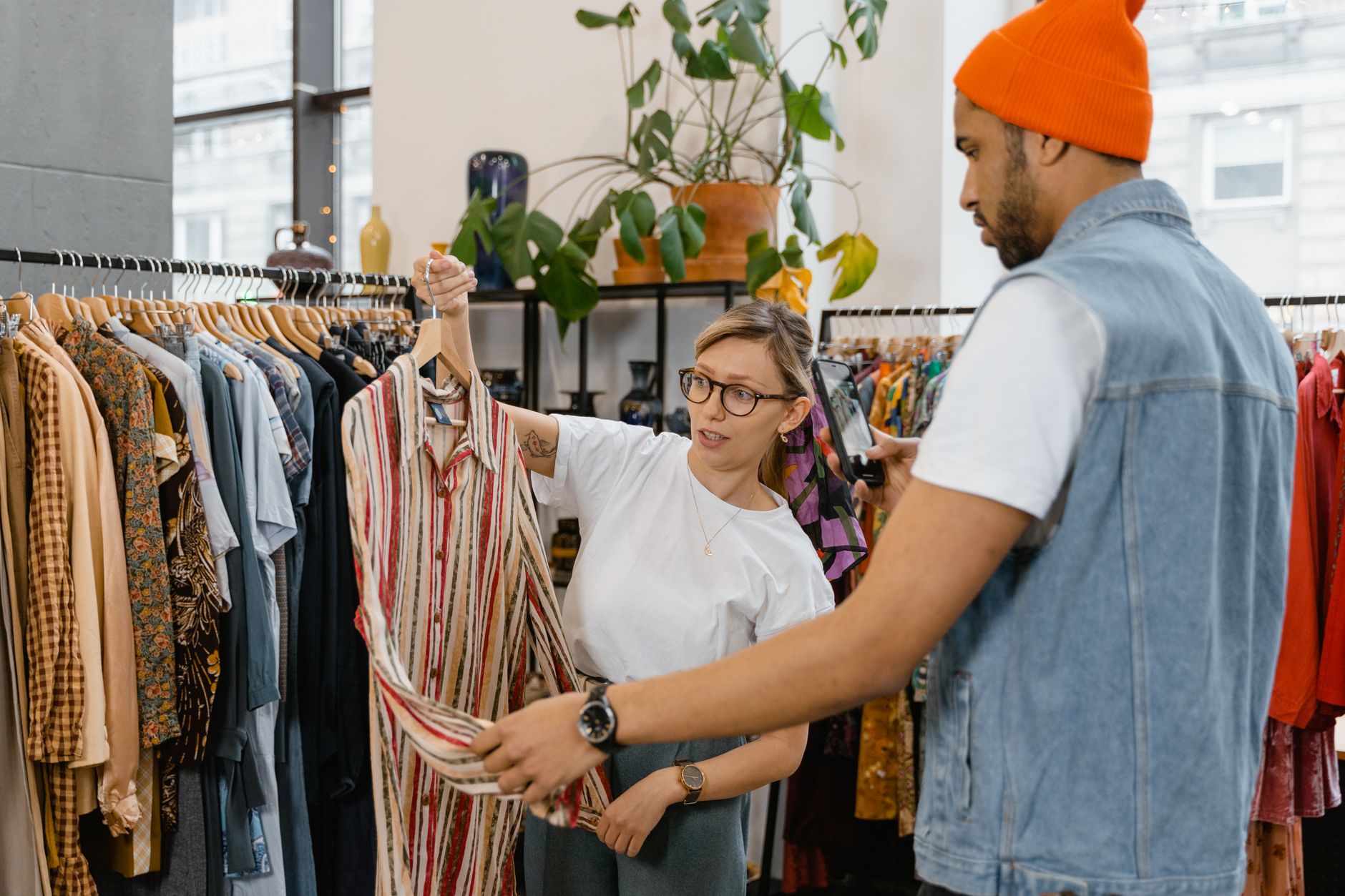
Custom apparel has quietly become one of the most powerful tools in the modern marketing toolkit — and in 2026, it’s showing no signs of slowing down. Whether you’re a Sydney startup kitting out your team for the first time, a Brisbane primary school ordering sports day uniforms, or a Melbourne corporate event manager sourcing branded polos for a conference, custom clothing puts your logo, message, and identity in front of people in a way that digital ads simply cannot replicate. Unlike a banner ad that disappears with a scroll, a quality branded t-shirt or hoodie gets worn repeatedly, travels widely, and generates genuine impressions over months or even years. If you’re serious about building lasting brand awareness through custom apparel in 2026, this guide covers everything you need to know — from choosing the right products and decoration methods to budgeting wisely and avoiding common pitfalls.
Why Custom Apparel Remains a Brand Awareness Powerhouse in 2026
The statistics speak for themselves. Promotional apparel consistently ranks among the most recalled and retained forms of branded merchandise. Recipients don’t just keep clothing — they wear it, which means your brand travels to workplaces, schools, gyms, cafés, sporting events, and everywhere in between. For Australian organisations operating in competitive markets, that kind of organic, repeated exposure is extraordinarily valuable.
What makes custom apparel particularly compelling in 2026 is the convergence of improved decoration technology, faster turnaround times, and greater access to ethical and sustainable garment options. Organisations across the country — from Adelaide councils to Darwin healthcare providers — are finding that a well-designed, high-quality branded garment outperforms many traditional advertising spends when measured by cost-per-impression over its lifespan.
Consider a Perth-based professional services firm handing out branded quarter-zip fleeces at their annual client event. Each garment is likely worn dozens of times over the cooler months, appearing in meetings, on public transport, and in everyday social settings. That single item becomes a walking billboard — one that the recipient actively chooses to wear because it’s genuinely useful and well-made.
The Role of Quality in Brand Perception
One critical distinction worth making early: not all branded apparel is created equal. A cheaply produced t-shirt that fades or shrinks after two washes actually damages brand perception rather than helping it. In 2026, consumers and employees alike are acutely aware of product quality, and the apparel you distribute reflects directly on your brand values.
Investing in quality garments — even if it means ordering fewer items or simplifying your decoration — is almost always the better strategy. A tight-fitting hoodie in a premium cotton blend, embroidered with your logo, signals far more about your brand’s standards than a bargain tee with a peeling heat transfer print.
Choosing the Right Custom Apparel for Your Brand Awareness Goals
Not every garment suits every organisation or campaign. Understanding your audience, your distribution context, and your budget will help you select the most impactful products.
T-Shirts and Polos: The Workhorses of Branded Apparel
T-shirts remain the most versatile and popular option for brand awareness campaigns across Australia. They’re affordable, universally wearable, and available in a huge range of styles, weights, and colours. For casual brand activations, community events, trade shows, and school programs, a well-designed custom t-shirt is hard to beat.
Polos step up the professionalism considerably and are a go-to for businesses wanting to maintain a polished, consistent appearance. They work exceptionally well for real estate agencies, healthcare teams, trade businesses, and anyone who needs staff to be immediately identifiable and presentable. If you’re navigating the decision between apparel styles, it’s worth browsing community discussions like this overview of custom t-shirt options in Australia to understand what others in similar situations have found most effective.
Hoodies and Outerwear: High-Value, High-Visibility Items
Hoodies and zip-through jackets represent a higher per-unit cost but deliver significantly more perceived value — and are therefore more likely to be worn frequently and for extended periods. For corporate gifting, university orientation programs, or seasonal events in cooler cities like Melbourne, Canberra, or Hobart, branded outerwear can make an enormous impression.
For events and conferences specifically, outerwear creates a cohesive, professional look that reinforces brand credibility throughout the event and long after attendees have returned home. Our guide to event merchandise for seminars in Perth explores how outerwear and apparel fit into a broader event merchandise strategy.
Caps and Headwear: Compact Branding with Strong Visibility
Branded caps offer outstanding value for brand awareness. The front panel of a cap is essentially prime advertising real estate — positioned at eye level and worn throughout outdoor activities, travel, and daily life. Caps work brilliantly for sporting clubs, outdoor events, real estate agencies, and trade expos. A Gold Coast tennis club, for instance, will get tremendous mileage from branded caps — find more ideas tailored to that context in our guide to custom t-shirts for tennis clubs in Australia.
Complementing Apparel with Supporting Merchandise
Custom apparel rarely works in isolation. Pairing branded clothing with complementary products — lanyards, tote bags, or stationery — creates a cohesive branded package that significantly amplifies your awareness impact. Explore how custom promotional lanyards and purse tote bags can round out an apparel-led merchandise strategy. You might also consider eco-conscious additions like wheat straw branded pens for school environmental programs or zero-waste branded gift sets for corporate sustainability.
Decoration Methods: Matching the Technique to Your Brand
The method used to apply your artwork to a garment has a significant impact on how your brand is perceived. Different techniques suit different garment types, artwork styles, and quantities.
Screen Printing
Screen printing is the most common decoration method for large quantities of custom apparel. It produces vibrant, durable prints that hold up well through repeated washing, and the cost per unit drops considerably at higher volumes. Screen printing works best with simple, bold artwork using a limited number of colours. Standard MOQs in Australia typically start at around 20–50 pieces for screen printing, though this varies by supplier.
Embroidery
Embroidery projects a premium, professional image that’s particularly well-suited to polos, caps, jackets, and corporate workwear. The texture and durability of embroidery communicate quality in a way that flat print methods can’t always match. It’s especially popular in the financial services, legal, real estate, and healthcare sectors. Keep in mind that highly detailed or fine artwork doesn’t always translate well to embroidery, so a simplified version of your logo is often required.
Sublimation and Digital Printing
Sublimation printing allows for full-colour, all-over designs with no colour limitations, making it ideal for sportswear, high-visibility promotional items, and garments where maximum visual impact is the goal. Digital printing (DTG — direct-to-garment) is well-suited to smaller runs where screen printing setup fees would be prohibitive. If you’re based in Western Australia and exploring digital printing options, our resource on digital printing services for promotional products in Perth is worth a read.
Planning Your Custom Apparel Brand Awareness Campaign
Budgeting Realistically
Budget planning is where many organisations come unstuck. It’s important to account for the full cost of an apparel order — not just the per-unit garment price. Setup fees (particularly for screen printing and embroidery), freight costs, and artwork preparation can add meaningfully to the total. As a general guide:
- Basic custom t-shirts (screen printed, single colour): typically $12–$25 per unit at moderate quantities
- Branded polos (embroidered, standard weight): typically $25–$50 per unit
- Custom hoodies or jackets: typically $40–$80+ per unit depending on garment quality and decoration
Organisations wanting to understand the broader range of gifting options alongside apparel can explore our corporate gifting ideas guide and new year custom products for seasonal campaign inspiration.
Turnaround Times and Lead Planning
Most Australian apparel suppliers work to a standard production turnaround of 10–15 business days once artwork is approved. Rush orders are often available — for a premium — but it’s always better to plan ahead. For events, conferences, or seasonal campaigns, aim to begin the ordering process at least four to six weeks before your in-hands date to allow time for artwork approval, sampling, production, and freight.
For organisations in Tasmania or regional areas, building in additional freight time is especially important. Our guide to promotional product suppliers in Tasmania covers regional considerations in more detail.
Artwork and Colour Accuracy
Provide your artwork as a vector file (AI, EPS, or high-resolution PDF) wherever possible. For embroidery, your supplier will create a digitised stitch file from your artwork. Always request a proof before production commences, and if colour accuracy is critical, ask about PMS (Pantone Matching System) colour matching rather than relying on standard process colours.
Don’t Overlook Sustainability
Australian organisations in 2026 are under increasing pressure — from customers, employees, and regulators — to demonstrate environmental responsibility in their purchasing decisions. Fortunately, the custom apparel market has responded with a growing range of organic cotton, recycled polyester, and responsibly sourced garment options. Opting for sustainable apparel not only reduces your environmental footprint but actively strengthens your brand’s reputation. Pair this with eco-focused accessories like personalised ribbons for community service recognition or promotional branded skipping ropes for school fitness programs to build a complete sustainability-oriented merchandise package.
Custom Apparel Brand Awareness: Sector-Specific Strategies
Different sectors use custom apparel in different ways, and tailoring your approach to your industry maximises results.
- Corporate businesses benefit from consistent, professional-grade apparel that reinforces their brand identity at events, in client-facing situations, and as part of staff uniform programs.
- Schools find enormous value in sports day t-shirts, camp uniforms, and house colour apparel that builds community pride and visibility at public events.
- Events and conferences leverage custom apparel as both a logistical tool (easily identifying staff and volunteers) and a promotional vehicle (attendee gifts that extend brand reach post-event).
- Sporting clubs across Australia use custom apparel to unify their teams, attract sponsors, and build local community recognition.
- Healthcare and government organisations use branded workwear and uniforms to project professionalism and build institutional trust.
Conclusion: Key Takeaways for Custom Apparel Brand Awareness in 2026
Custom apparel continues to be one of the most effective, cost-efficient, and enduring brand awareness tools available to Australian organisations. When planned thoughtfully — with the right products, the right decoration method, and a clear understanding of your audience — branded clothing delivers impressions and brand affinity that few other marketing investments can match.
Here are the key points to take away:
- Quality over quantity: a smaller run of well-made, beautifully decorated garments outperforms a large batch of low-quality items every time
- Match your decoration method to your artwork and garment type: embroidery for premium corporate wear, screen printing for high-volume casual orders, sublimation for vibrant sportswear
- Plan ahead: allow at least four to six weeks lead time for apparel orders, particularly for events and campaigns with fixed deadlines
- Think beyond the garment: complement your custom apparel with supporting merchandise to create a cohesive, memorable brand experience
- Prioritise sustainability: choosing eco-friendly garment options and decoration practices strengthens your brand reputation and aligns with growing community expectations in 2026