
Compostable Promotional Items for Environmental Organisations: A Complete Sourcing Guide
Discover the best compostable promotional items for environmental organisations in Australia — with tips on products, decoration, and ordering.

Written by
Ariana Osei
Eco & Sustainable Products
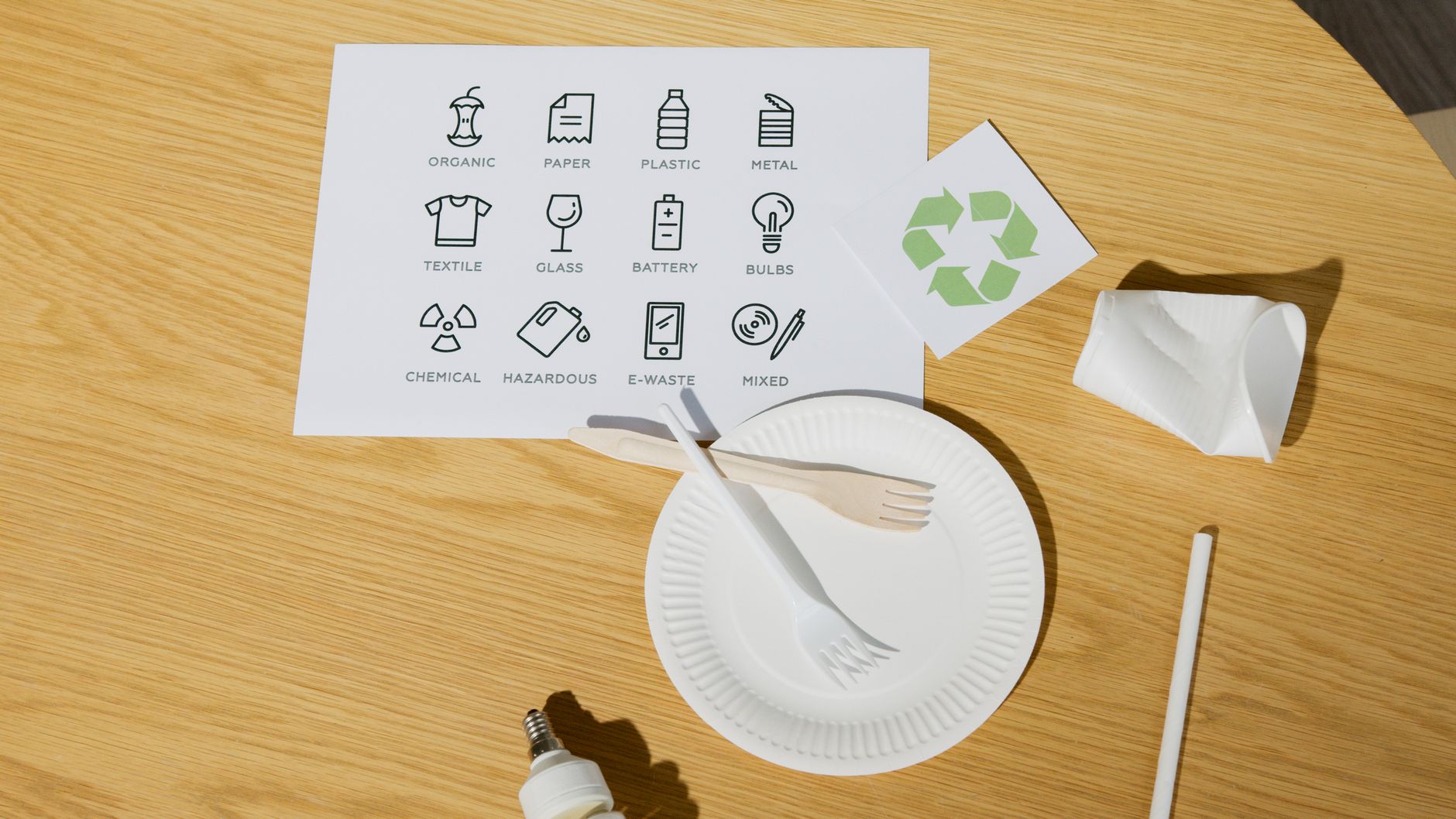
When an environmental organisation hands out branded merchandise, the product itself sends a message just as loudly as the logo printed on it. There’s a jarring disconnect in receiving a plastic pen or a single-use vinyl bag from a group whose entire mission centres on protecting the planet. That’s why compostable promotional items for environmental organisations have become not just a preference but a genuine strategic necessity. Whether you’re running a conservation charity in Queensland, a sustainability-focused council in South Australia, or an environmental advocacy group preparing for a major event in Melbourne, the products you choose to brand and distribute are a direct reflection of your values. This guide walks you through what compostable promotional merchandise actually means, which products are worth considering, how to order them effectively, and how to ensure every piece reinforces your mission rather than undermining it.
What Does “Compostable” Actually Mean in Promotional Products?
Before diving into product selection, it’s worth getting clear on terminology — because in the promotional products space, “eco-friendly” is used so broadly it can mean almost anything. Compostable and biodegradable are often used interchangeably, but they’re not the same thing.
A biodegradable product will break down over time, but that could mean decades, and the process can release harmful residues. A compostable product breaks down within a defined period — typically 90 to 180 days in a commercial composting environment — and leaves behind no toxic residue. Some products are certified home-compostable, meaning they’ll break down in a backyard compost bin, while others require industrial composting facilities.
For environmental organisations, this distinction matters enormously. Distributing products labelled “compostable” that actually require industrial composting infrastructure (not widely available in all Australian regions) may still create end-of-life issues. When sourcing merchandise, ask your supplier for specific certifications. Look for Australian Standard AS 4736 (for commercial composting) or AS 5810 (for home composting). International certifications like TÜV OK compost or the Seedling logo from European Bioplastics are also widely recognised.
Getting this right from the outset will protect your organisation’s credibility and ensure your messaging is genuinely consistent.
The Best Compostable Promotional Items for Environmental Organisations
Compostable Food and Beverage Packaging
One of the most practical and widely available categories of compostable promotional products involves food service items. If your organisation runs community events, farmers’ markets, conservation days, or educational workshops, branded compostable cups, plates, cutlery, and takeaway containers are genuinely useful. These items can be screen printed or digitally printed with your logo and are available in certified compostable materials like PLA (polylactic acid, derived from cornstarch) or sugarcane bagasse.
For event use, the minimum order quantities on compostable food service items tend to be reasonable — often starting from 250 to 500 units — and the per-unit cost is competitive when ordered in bulk. A Brisbane-based river conservation group running a community cleanup day, for instance, could order branded compostable coffee cups and bamboo-fibre plates for their volunteer catering, reinforcing their environmental message at every break.
Compostable Seed Paper Products
Seed paper is one of the most compelling materials in the compostable promotional products space. Made from recycled paper embedded with wildflower, herb, or native plant seeds, seed paper products can be planted directly in soil after use. They’re genuinely zero-waste and produce something living — a powerful metaphor for environmental organisations.
Popular seed paper formats include:
- Business cards — ideal for networking events and conferences
- Notepads and notebooks — with compostable covers and recycled interiors
- Bookmarks — a low-cost, high-impact giveaway
- Greeting cards and thank-you notes — perfect for donor acknowledgement or community recognition
When ordering seed paper products, it’s important to specify which plant seeds you’d like embedded. Native Australian species like kangaroo paw or wildflowers are particularly meaningful for conservation-focused organisations, though availability may vary by supplier. Turnaround times are typically 10 to 15 business days, and artwork requirements mirror standard print jobs — vector files in CMYK.
For organisations in Tasmania or regional areas, it’s worth checking with local promotional products suppliers in Tasmania and your state, as lead times can vary when shipping from mainland production hubs.
Compostable Pens and Stationery
Stationery is one of the highest-volume giveaway categories in promotional merchandise, and it’s historically one of the most plastic-heavy. The good news is that compostable and plant-based alternatives have improved significantly in recent years.
Pens made from wheat straw, cornstarch, or recycled paper are now widely available and produce a satisfying writing experience. Our guide to wheat straw branded pens for school environmental programs covers many of the same principles that apply to environmental organisations sourcing sustainable stationery.
Paper barrels with soy-based ink and recycled-content notebooks are also excellent additions to a compostable merchandise range. Some notebooks feature covers made from stone paper (calcium carbonate — no trees required) or even upcycled materials like denim off-cuts or coffee grounds.
Compostable Tote Bags
Fabric tote bags made from natural, unbleached cotton or jute decompose naturally in soil without leaving microplastic residue, unlike their non-woven polypropylene counterparts. For organisations with a strong anti-plastic message, opting for certified organic cotton totes or hessian bags is a straightforward win.
When considering bag decoration for compostable totes, water-based or vegetable-based inks are the preferred choice for screen printing — they’re lower in VOCs and won’t introduce harmful chemistry into an otherwise sustainable product. You can explore a range of bag formats in our overview of purse tote bags and their customisation options.
Compostable Packaging for Gift Sets
If your organisation distributes welcome kits, donor gift packs, or corporate partnership bundles, the outer packaging matters as much as what’s inside. Seed paper mailers, kraft cardboard boxes with soy ink printing, and compostable tissue paper and filler material are all available from Australian suppliers and help ensure the entire unboxing experience aligns with your sustainability values.
For ideas on how to structure meaningful gift collections, the zero-waste branded gift sets for corporate sustainability guide is an excellent companion resource.
Ordering Compostable Promotional Items: Practical Considerations
Certifications and Supplier Transparency
Ask every potential supplier for documentation on the compostability claims of their products. A reputable supplier will be able to provide material data sheets, certification numbers, and end-of-life guidance. Be cautious of vague claims like “eco-friendly” or “green” without supporting evidence — this is greenwashing territory, and for environmental organisations, the reputational risk is significant.
Decoration Methods
Not all decoration methods are suitable for compostable products. Here’s a quick guide:
- Water-based screen printing — excellent for totes, apparel, and paper products
- Digital printing — suitable for seed paper, cards, and lightweight items
- Pad printing — suitable for pens, cups, and rigid items with flat print areas
- Embroidery — generally avoid on fully compostable items as thread often contains synthetic fibres that don’t break down
Laser engraving works well on bamboo items (technically not compostable but biodegradable and a common eco-alternative). Avoid UV-cured inks and solvent-based inks where possible.
MOQs and Budget
Compostable products often carry a higher unit cost than conventional promotional items, particularly when certified. Budget accordingly — a minimum order of 200 compostable cups might run 15–30% more than conventional alternatives. However, many organisations find that donors, volunteers, and stakeholders respond more positively to authentic sustainability efforts, making the investment worthwhile.
If budget is constrained, prioritise high-visibility items — the products most likely to be used publicly and repeatedly. A compostable tote bag or seed paper notebook that gets used in a busy Melbourne café is worth far more to your brand than a cheaply-made novelty item sitting in a drawer.
Turnaround Times
Allow 15 to 20 business days for most compostable promotional items, particularly those involving custom seed paper or certified compostable packaging. If you’re preparing for a major event, conference, or campaign launch, build in buffer time. For events-based planning, the guide on event merchandise for seminars in Perth covers timeline and planning principles that apply equally to environmental events anywhere in Australia.
Combining Compostable Items With Other Eco Options
Compostable products work best as part of a broader sustainable merchandise strategy. You might pair certified compostable cups with a zero-waste branded gift set, or combine seed paper cards with branded reusable drinkware. Not every item in your range needs to be compostable — but every item should be chosen with end-of-life in mind.
For organisations running orientation events or welcome programs — such as university environmental clubs or conservation volunteers onboarding — the guide on promotional giveaways for orientation weeks in Australia offers useful context on what giveaway formats work well in group settings.
It’s also worth considering how branded lanyards, often a staple at events, can be sourced sustainably. Custom promotional lanyards are now available in bamboo-fibre and recycled PET options, making them a suitable inclusion in a compostable or low-impact merchandise suite.
Making the Case Internally: Communicating the Value of Compostable Merchandise
For organisations where budget decisions require board or leadership approval, it helps to frame compostable promotional products not as a premium expense but as a mission-critical investment. Consider these talking points:
- Brand credibility: Every piece of merchandise is a public statement. Plastic products at an environmental event actively undermine trust.
- Stakeholder expectations: Donors, government partners, and corporate sponsors increasingly scrutinise an organisation’s operational sustainability — not just its programs.
- Long-term cost benefits: Compostable products, when ordered consistently and in appropriate volumes, become more cost-effective over time as supplier relationships develop and artwork setup fees are absorbed.
For organisations also navigating gifting to corporate partners or supporters, our broader corporate gifting ideas guide provides useful framing around perceived value and recipient experience.
Conclusion: Key Takeaways for Sourcing Compostable Promotional Items
Sourcing compostable promotional items for environmental organisations is a meaningful exercise in aligning your brand with your mission — and it’s entirely achievable in the Australian market with the right knowledge and planning. Here’s what to remember:
- Verify certifications: Look for AS 4736 or AS 5810 standards (or equivalent) and ask suppliers for documentation, not just claims.
- Choose decoration methods wisely: Water-based inks and digital printing are the most compatible with compostable substrates.
- Plan your timeline: Allow 15–20 business days and build in buffer for certified materials with longer production lead times.
- Think holistically: Compostable products are most impactful when the packaging, decoration, and surrounding merchandise all reflect the same sustainability principles.
- Frame the investment: Internally, compostable merchandise is a credibility and brand investment — not just a product cost — and should be communicated as such to leadership and stakeholders.
With the right approach, your branded merchandise can do exactly what it should: reinforce your message, delight your audience, and leave no lasting mark on the environment beyond the impression your organisation makes.